Everyone argues about the thermostat, so it helps to know what the evidence actually says. The best AC temperature in summer is 78 degrees Fahrenheit while you are home and awake. That figure comes from the U.S. Department of Energy, and it balances comfort against running cost. However, the number alone is not the whole story. This guide explains the recommended settings, why they work and how to stay comfortable without dropping the setpoint.
The Recommended Settings
- Home and awake: 78 degrees Fahrenheit, which is about 26 Celsius
- Sleeping: 82 degrees, since your body cools naturally at night
- Away from home: 85 degrees, or roughly 7 degrees above your normal setting
- Humid climates: 76 to 78 degrees, because humidity affects how heat feels
Those away and asleep settings are where the real savings live. Most households leave the thermostat at one number all day, which is the single most expensive habit in summer cooling.
Why Every Degree Matters So Much
Energy use rises sharply as you widen the gap between indoor and outdoor temperature. Each degree you lower the setpoint increases cooling costs by roughly 3 to 5 percent.
In practical terms, running at 72 instead of 78 can increase your cooling bill by a quarter or more. Therefore, moving the setpoint up by even two degrees produces a noticeable difference on the bill.
Does Turning It Off While Away Save Money?
Yes, and this surprises people. A common belief says the system works harder to recover, cancelling out the savings.
In reality, heat flows into your house faster when the indoor temperature is lower, because the temperature difference is greater. Letting the house warm up while nobody is home slows that heat gain. Consequently, the setback saves more than the recovery costs.
That said, do not switch the system off entirely for long periods in humid climates. Some dehumidification is needed to protect the house from mould. Setting it to 85 is better than off.
Humidity Changes Everything
At 50 percent relative humidity, 78 degrees feels pleasant. At 70 percent, the same temperature feels oppressive.
This is why humidity control often matters more than temperature. Aim for 30 to 50 percent indoor relative humidity. A dehumidifier in a damp basement sometimes lets you raise the thermostat by two or three degrees at no comfort cost. Our guide on how to reduce humidity in your house covers the practical methods.
How to Feel Comfortable at 78 Degrees
These habits genuinely close the comfort gap.
Use Ceiling Fans Correctly
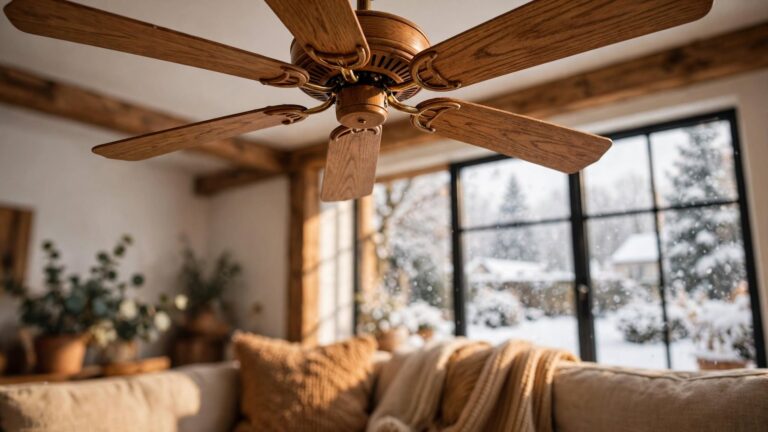
Moving air across your skin makes a room feel about 4 degrees cooler. Set fans to run counter-clockwise in summer so they push air downward. Our guide on which way a ceiling fan should turn explains the seasonal switch. Importantly, switch fans off when you leave the room, because they cool people rather than spaces.
Block the Sun
Close blinds and curtains on south and west-facing windows during the day. Solar gain through glass is one of the largest summer heat loads in most homes.
Run the Bathroom and Kitchen Fans
Exhaust fans remove both heat and moisture at the source. Use them whenever you shower or cook.
Cook Differently
Use the microwave, an air fryer or an outdoor grill instead of the oven on hot days. An oven can raise nearby room temperature by several degrees.
Seal and Insulate
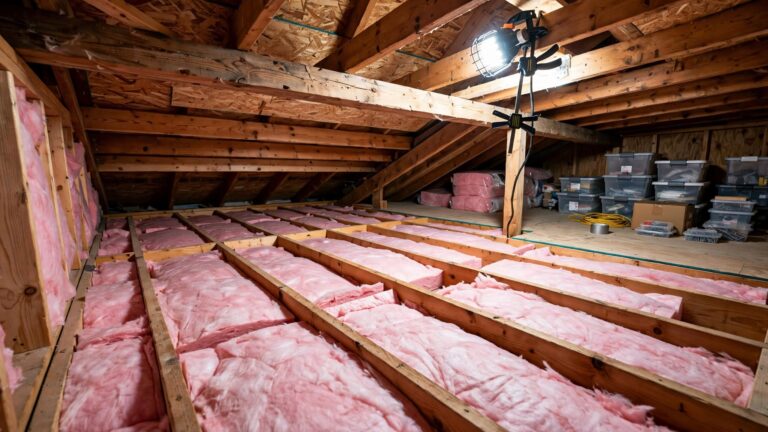
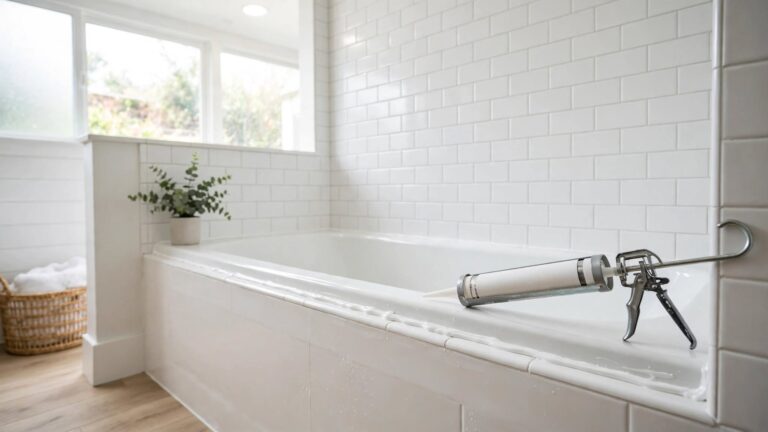
Air leaks let conditioned air out and hot air in. Our guides on how to seal air leaks and how to insulate an attic cover the improvements with the largest payback, since attic heat drives a lot of summer discomfort.
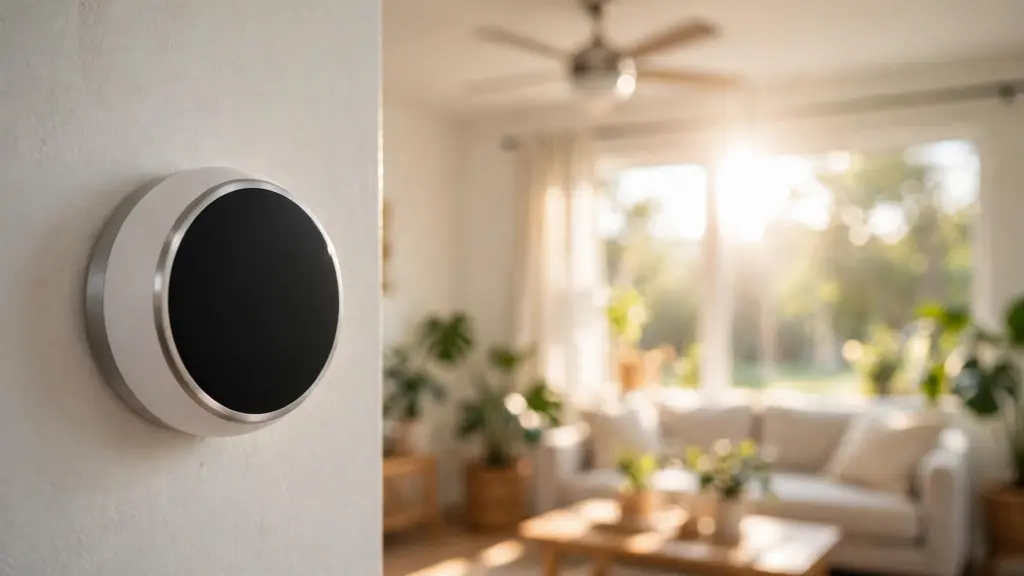
Use a Programmable or Smart Thermostat
Manually adjusting the thermostat four times a day never lasts. Automation makes the setback schedule stick.
Set a schedule that raises the temperature during work hours, lowers it shortly before you return, and raises it again overnight. Smart thermostats learn your patterns and some use your phone’s location to adjust automatically. The savings come from consistency rather than from the device itself.
Special Situations
- Infants and elderly residents. Prioritise safety over savings. Keep rooms between 68 and 75 degrees and watch for heat stress.
- Pets at home. Do not exceed about 80 degrees while away, and always leave water available.
- Working from home. Cool only the room you occupy if you have zoning or a mini-split.
- Vacation. Set to 85, never off, in humid regions.
Mistakes to Avoid
- Do not set the thermostat to 65 expecting the house to cool faster. It cools at the same rate and simply overshoots.
- Do not close vents in unused rooms, because that unbalances the duct system.
- Do not leave ceiling fans running in empty rooms.
- Do not place a thermostat in direct sunlight or above a lamp.
- Do not skip the air filter. Our guide on how often to change your air filter explains why airflow matters.
- Do not ignore poor cooling performance. Our guide on why an AC runs but does not cool works through the causes.
Final Thoughts
The best AC temperature in summer is 78 degrees when you are home, 82 when asleep and 85 when out. Those setbacks matter far more than the exact daytime number. Add ceiling fans, closed blinds and controlled humidity, and 78 feels perfectly comfortable while costing considerably less to maintain. Our guide on how to lower your electric bill covers the rest of the picture.
Questions About the Best AC Temperature in Summer
Does turning it off while out really save money?
Yes. Heat flows in faster when the house is colder, so letting it warm up slows that gain.
Is 78 degrees too warm?
Not with ceiling fans and controlled humidity. Air movement makes a room feel about four degrees cooler.
What about overnight?
Raise it to about 82. The best AC temperature in summer is not a single number, since sleeping and away periods should both be higher.
Does humidity change the right setting?
Yes. In damp climates the best AC temperature in summer sits closer to 76, because moisture makes the same reading feel warmer.